Selecting the appropriate bucket teeth for a wheel excavator is a critical decision that can significantly impact the machine’s performance, efficiency, and longevity. As a seasoned wheel excavator supplier, I’ve witnessed firsthand the stark differences in how the right or wrong bucket teeth can affect the job at hand. In this blog, I’ll share my insights on how to choose the most suitable bucket teeth for your wheel excavator. Wheel Excavator
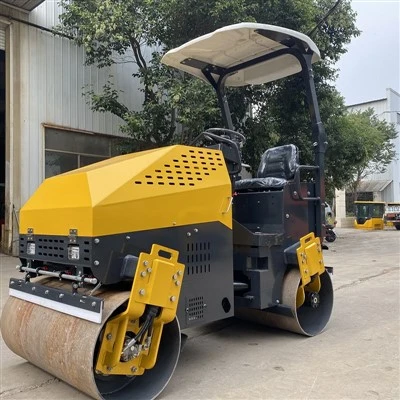
Understanding the Basics of Bucket Teeth
Before delving into the selection process, it’s important to understand what bucket teeth are and their functions. Bucket teeth are essential attachments on the digging edge of an excavator bucket. They serve to penetrate the ground, break up tough materials, and facilitate the excavation process. These teeth come in various shapes, sizes, and materials, each designed for specific applications and working conditions.
Consider the Working Environment
The first and foremost factor to consider when selecting bucket teeth is the working environment. Different environments require different types of bucket teeth. For instance, if you’re working in a soft soil area, such as a sandpit or a clay – rich construction site, you can opt for relatively lighter – duty bucket teeth. These teeth usually have a more streamlined design that allows for easy penetration into the soft ground.
On the other hand, if your wheel excavator is going to be used in a rocky or hard – packed soil environment, heavy – duty bucket teeth are a must. These teeth are made from high – strength materials and have a more robust design to withstand the impact and abrasion caused by rocks and hard soil. For example, in a quarry where the excavator has to break through large boulders, teeth with a sharp and sturdy tip are required to effectively break the rocks.
Analyze the Material to be Excavated
The type of material you’ll be excavating plays a crucial role in bucket tooth selection. If you’re dealing with abrasive materials like gravel or concrete, you need bucket teeth that are highly resistant to wear. Teeth made from hardened steel or alloy materials are ideal for such applications. These materials have a high hardness and can withstand the constant friction and wear caused by abrasive materials.
For materials that are sticky, such as wet clay, you should choose bucket teeth with a smooth surface and a shape that minimizes the adhesion of the material. Some teeth are designed with anti – sticking coatings or features that prevent the material from building up on the teeth, ensuring continuous and efficient operation.
Evaluate the Tooth Design
Bucket teeth come in different designs, each with its own advantages. There are standard type teeth, which are the most common and suitable for general – purpose excavation. They have a balanced shape that provides good penetration and digging performance.
Pointed teeth are excellent for initial penetration in hard materials. Their sharp tip can break through the surface easily, allowing the rest of the bucket to start the digging process. These are often used in rocky ground or when dealing with hard – core soil layers.
Blunt – tipped teeth, on the other hand, are better for larger – scale material handling. They distribute the force over a larger area, making them suitable for moving large volumes of loose materials such as sand or gravel.
Compatibility with the Wheel Excavator
It’s crucial to ensure that the bucket teeth you select are compatible with your wheel excavator. This includes both physical and mechanical compatibility. Physically, the teeth must fit properly on the bucket’s tooth holder. A loose or ill – fitting tooth can cause excessive vibration during operation, which not only reduces the efficiency of the machine but also increases the risk of damage to the tooth and the bucket.
Mechanically, the teeth should be able to withstand the force generated by your excavator’s hydraulic system. The power and torque output of your wheel excavator determine the amount of force that can be applied during the digging process. Selecting teeth that can handle this force without breaking or deforming is essential for long – term, reliable operation.
Consider the Tooth Replacement System
The ease of tooth replacement is another important consideration. In a busy work environment, minimizing downtime due to tooth replacement is crucial. Some bucket teeth systems are designed for quick and easy replacement, allowing operators to change teeth on – site with simple tools. This can save a significant amount of time and effort, especially when multiple teeth need to be replaced.
For example, there are locking – type tooth systems that use a locking pin or a quick – release mechanism. These systems allow the operator to remove and install teeth in a matter of minutes, without the need for welding or complex disassembly.
Assess the Cost – Benefit Ratio
When selecting bucket teeth, the cost is an important factor, but it shouldn’t be the only determining factor. Cheaper teeth may seem like a cost – effective option initially, but they may wear out quickly or break easily, leading to more frequent replacements and higher long – term costs.
On the other hand, high – end, premium bucket teeth are usually more expensive but offer better performance, durability, and longer service life. It’s important to calculate the cost – benefit ratio by considering factors such as the expected lifespan of the teeth, the frequency of replacement, and the impact on the overall productivity of the wheel excavator. For example, if a set of high – quality teeth costs twice as much as a cheap set but lasts four times longer, it may actually be a more cost – effective choice in the long run.
Consult with the Manufacturer or Supplier
As a wheel excavator supplier, I always encourage customers to consult with us when selecting bucket teeth. We have in – depth knowledge of the different types of bucket teeth available and can provide professional advice based on your specific needs and working conditions. Our technical support team can also help you with installation, maintenance, and troubleshooting.
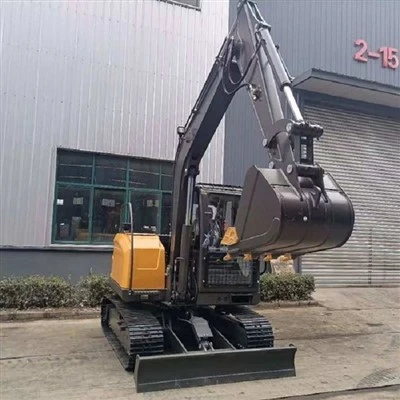
If you’re unsure about which bucket teeth are right for your wheel excavator, don’t hesitate to reach out to us. We can guide you through the selection process, ensuring that you get the most suitable bucket teeth for your machine. This will not only improve the performance of your wheel excavator but also save you time and money in the long term.
Loader If you’re interested in purchasing high – quality bucket teeth for your wheel excavator, or if you have any questions about our products, please feel free to contact us for a detailed discussion. We’re committed to providing the best solutions for your excavation needs.
References
- "Excavator Bucket Teeth: A Comprehensive Guide", Construction Equipment Magazine
- "Material Science and Engineering of Excavator Attachments", Journal of Mining and Construction Engineering
- "Best Practices for Selecting and Maintaining Bucket Teeth", International Excavation Association Report
Shandong Feisite Machinery Co., Ltd.
As one of the most professional wheel excavator manufacturers and suppliers in China, we’re featured by quality products and good service. Please rest assured to buy cheap wheel excavator made in China here and get quotation from our factory. Customized orders are welcome.
Address: 100 meters south of Zengfusi Village, Mihe Town, Qingzhou City, Shandong Province
E-mail: Wpeng19911103@qq.com
WebSite: https://www.shandongfeisite.com/
