When I first started working in the tactical backpack supply business, I fielded a question more times than I can count from casual cyclists and avid road riders alike: “Can I use a tactical backpack for cycling?” It’s not a random question—tactical packs are built to handle extreme conditions, with reinforced stitching, heavy-duty materials, and multiple compartments that make them look like they could hold just about anything. As someone who’s spent years designing, testing, and shipping these packs to military units, law enforcement teams, and adventure athletes, I get why cyclists would turn to them. But the answer isn’t a straight “yes” or “no” — it depends on what you’re riding, where you’re going, and what you need the pack to do. Let’s break this down, straight from someone who actually works with these packs day in and day out. Tactical Backpack

First, let’s talk about what makes a tactical backpack different from a standard cycling backpack. Most casual cycling packs are slim, lightweight, and designed specifically for carrying small essentials: a water bottle, a tube, keys, maybe a snack. They sit close to your back to cut down on wind resistance, and many include ventilation panels to stop sweat from pooling during long rides. Tactical packs, on the other hand, are engineered for load bearing over uneven, demanding terrain. They use durable fabrics like 1000D Cordura nylon, which is tough enough to withstand scrapes, tears, and exposure to rain, dirt, and snow. The stitching is reinforced at every stress point—where straps attach, where the bottom of the pack meets the back panel—because these packs are built to carry heavy loads for miles. They have MOLLE webbing, the grid of fabric loops all over the exterior, that lets you clip on extra gear: a first aid kit, a water bladder, a tool roll, even a small flashlight. That same ruggedness, though, is where the debate starts for cyclists.
Let’s start with the good parts of using a tactical backpack for cycling, because there are some big wins here, especially if you’re not just sticking to paved roads. If you’re a mountain biker, for example, who hits trails with loose rock, overgrown branches, or muddy terrain, a tactical pack’s durability is a game-changer. I’ve had customers tell me they use our packs for backcountry mountain biking, where a standard cycling pack would get torn on a sharp rock or snag on a branch after a single ride. One of our recent buyers, a trail guide in Colorado, sent me a note last month saying he’s used his 50L tactical pack for three years of guiding backcountry rides, and the only damage he’s had is a loose MOLLE loop—something we fixed in five minutes for free, no questions asked. That toughness pays off when you’re miles from the nearest bike shop, and you can’t afford to have your pack fail mid-ride.
Then there’s the storage. Tactical packs are designed to hold more gear than most cycling packs, which is perfect if you’re doing a long ride, a bike tour, or even a multi-day cycling trip. A standard cycling pack might hold 10 to 20 liters; many of our tactical packs come in 30L, 50L, even 70L sizes. That extra space lets you carry more than just tools and snacks: extra layers for cold mornings or sudden rain, a tent if you’re camping, a portable charger for your phone, a water bladder that holds up to 3 liters of water (way more than the 1 to 2 liters most cycling bladders hold). For people doing cross-country bike trips, that extra storage is non-negotiable. I’ve worked with cycling enthusiasts who use our packs for transcontinental tours, and they say the organization of tactical packs—separate compartments for clothes, gear, and essentials—keeps them from digging through a jumbled mess of things mid-ride. The MOLLE webbing is another plus here; you can clip a bike light, a repair kit, or even a portable bike pump right to the outside, so you don’t have to reach into the main compartment and throw off your balance.
But let’s be honest—there are downsides too, especially if you’re a casual road cyclist or someone who values speed and comfort above all else. Tactical packs are built for heavy loads, which means they’re often bulkier and heavier than standard cycling packs when empty. A typical tactical pack might weigh 3 to 4 pounds empty, while a lightweight road cycling pack is often 1 to 2 pounds. That extra weight might not sound like a lot, but when you’re riding 20, 50, or 100 miles, every ounce adds up. It can make your ride feel sluggish, and that extra material sitting between your back and the pack can trap more sweat than a slim, purpose-built cycling pack. Ventilation is another big one. Most tactical packs have a flat back panel, designed to sit straight when you’re wearing body armor or heavy gear, so they don’t have the contoured, padded ventilation panels that cycling packs use. That means your back might be soaked by the end of a long ride, especially in warm weather. I’ve heard from road riders who tried our packs for their weekend spins and said they felt like they were wearing a plastic bag on their back after an hour. For casual road cycling, that’s a real trade-off.
So, who actually benefits from using a tactical backpack for cycling? Let’s narrow it down. First, if you’re a mountain biker or gravel rider who hits rough terrain, carries heavy gear, or rides in extreme weather, a tactical pack is a solid choice. The durability will hold up to scrapes and impacts, the extra storage means you don’t have to leave essentials at home, and the load-bearing straps are designed to distribute weight evenly, which is important when you’re riding over uneven ground. Second, if you’re a long-distance cyclist or bike tourist who needs to carry camping gear, clothes, and tools for multi-day trips, the extra capacity and organization of a tactical pack are hard to beat. I’ve seen people use our packs for weekend camping trips where they ride 50 miles on Saturday, set up camp, and ride another 50 on Sunday—no other pack can handle that kind of load day after day. Third, if you ride in harsh conditions: rain, snow, mud, or extreme heat. Most tactical packs use water-resistant fabrics (even if they’re not fully waterproof, you can add a rain cover easily) and are built to hold up to dust and grime, so a quick wipe-down after a ride is all you need to keep them in good shape.
But when should you skip the tactical pack and go for a purpose-built cycling pack? If you’re a casual road cyclist who only rides 10 to 20 miles on paved roads, carries only a tube, keys, and a snack, and prioritizes speed and comfort above all else, a tactical pack is probably not the best fit. The extra weight and poor ventilation will make your ride less enjoyable, and you’re paying for features you’ll never use—MOLLE webbing, heavy-duty stitching, extra compartments that you don’t need. Also, if you’re riding in very warm weather and do a lot of short, intense rides, the lack of ventilation in most tactical packs will lead to more sweat and discomfort. I always tell casual road riders: stick to slim, ventilated cycling packs for those short spins.
Now, let’s talk about a few tips if you do decide to go with a tactical backpack for cycling, to make the experience better. First, look for a pack with a padded, ventilated back panel. Some of our newer tactical packs are designed with a contoured, mesh back panel that improves airflow, so you don’t get soaked during long rides. We spent months testing these with mountain bikers to make sure they balance the durability of a tactical pack with the comfort needed for cycling. Second, adjust the straps properly. Most people make the mistake of wearing a tactical pack with the shoulder straps too loose, which makes it bounce around while riding and throws off your balance. The hip belt is there for a reason—tactical packs are designed to carry weight on your hips, not just your shoulders, so make sure the hip belt is tight enough to hold most of the load, and the shoulder straps are adjusted so the pack sits close to your back, not sticking out. Third, don’t overpack. Just because a tactical pack has a lot of space doesn’t mean you need to fill it. Extra weight on your back will make your ride harder, so only carry what you actually need. I always tell customers to do a test ride with their pack, fully loaded, around the block a few times to adjust the straps before heading out on a long ride.
As someone who’s been in the tactical backpack business for years, I’ve seen how versatile these packs can be—they’re used by soldiers, hikers, disaster relief workers, and yes, cyclists. The key is matching the pack to your specific use case, not just grabbing it because it looks tough. If you’re a cyclist who needs durability, extra storage, and a pack that can handle harsh conditions, a tactical backpack is not just a “works in a pinch” option—it’s a reliable choice that will last you for years. If you’re a casual road rider who values light weight and ventilation, stick to a cycling-specific pack.
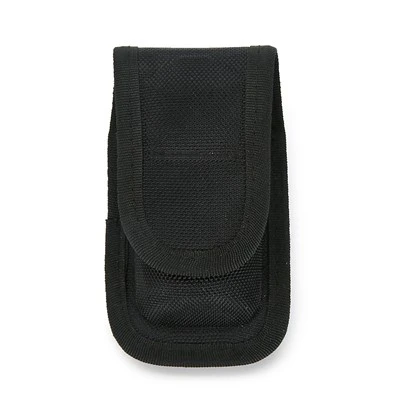
At the end of the day, the best gear is the gear that fits your needs. For the cyclists who’ve come to our team asking if a tactical pack works, I always tell them: if your ride involves rough terrain, long distances, or tough conditions, absolutely. We’ve designed our tactical packs with that in mind, testing them on trails, bike paths, and long-distance trips to make sure they hold up. If you’re ready to explore tactical backpack options for your cycling needs, we’re here to help. For procurement and bulk purchasing inquiries, we’re available to discuss custom solutions, bulk pricing, and tailored pack designs for cycling teams, tour groups, or commercial use.
Holster Holders References
- United States Army Materiel Command. (2018). Tactical Load Bearing Equipment: Design and Performance Standards. Department of the Army.
- International Mountain Bicycling Association. (2021). Gear Guide: Pack Selection for Backcountry Riders. IMBA Publications.
- Cordura Brand. (2020). Performance Standards for Outdoor and Tactical Fabrics. Invista Textiles.
- Journal of Cycling Medicine and Science. (2019). Load Distribution in Backpacks for Endurance Cycling. Vol. 3, No. 2, pp. 45-52.
Quanzhou Jinbei Bags Co., Ltd.
As one of the most professional tactical backpack manufacturers and suppliers in China, we have world-leading production equipment and strong manufacturing capabilities. Please feel free to buy bulk high quality tactical backpack for sale here from our factory. Customized orders are welcome.
Address: 302, NO. 158-17, EAST DISTRICT, TANDING, HESHI, LUOJIANG , QUANZHOU, FUJIAN, CHINA
E-mail: jinbeibags@126.com
WebSite: https://www.jinbeibags.com/
