Hey everyone, and thanks for swinging by my corner of the web. If you’ve been hunting for sustainable packaging for your cosmetic line, you’ve definitely stumbled on pulp molded stuff lately – it’s that pressed paper, molded to shape, stuff that feels way greener than plastic or even foam. But here’s the question I get 9 times out of 10 (especially from cosmetic brand owners I chat with): does this stuff actually keep oxygen out? Because let’s be real – your serum, your facial oil, your retinol? That oxygen is the silent enemy that breaks down active ingredients, makes them go bad faster, and leaves your customers with a product that’s just… not working like it’s supposed to. Pulp Molded Packaging for Cosmetics
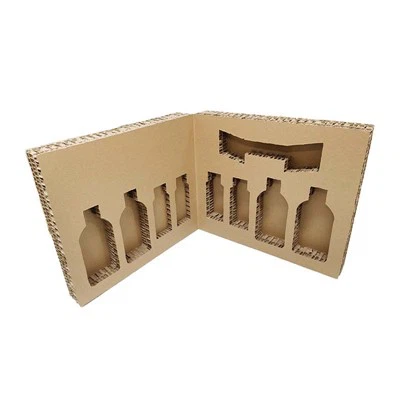
Full disclosure: I run a pulp molded packaging business for cosmetics, so I’m not here to act like pulp molded is perfect. But I am here to break this down straight, no corporate jargon, no hype, just the real stuff I’ve learned working with brands for the last 6 years. Let’s stop overcomplicating this – oxygen barrier for pulp molded packaging is not a yes/no answer, it’s a “it depends” that actually matters for every cosmetic type out there.
First, let’s get one thing out of the way: regular, plain, untreated pulp molded? Bad at oxygen barrier. Like, really bad. Think of it like a coffee filter – it’s porous, right? All those tiny paper fibers leave little gaps that oxygen can slip through, no problem. I’ve had a client come to me once, super excited, because they tried using our plain molded trays for their 1% retinol eye serum. Three weeks after filling, they tested the residual retinol, and 18% was already broken down. That’s a huge red flag for skincare that relies on stable actives. We learned early on that plain pulp molded just isn’t enough for products that need to lock out air long-term.
So then what’s the fix? Because brands don’t want to give up the sustainability win of pulp molded. That’s where treatments come in, and this is the part that most suppliers (and even some brand owners) gloss over. Not all treatments are equal. Let’s break down the ones we actually use for our cosmetic packaging, because that’s what brands care about:
First, there’s the water-based polymer coating. It’s basically a thin layer of something like PLA (polylactic acid, the plant-based plastic) or chitosan (from crab shells, super natural) that seals those tiny fiber gaps. I tested this myself last year when we were tweaking our lining processes. We did a side-by-side test: plain pulp tray vs. polymer-coated pulp tray, both filled with the same vitamin C serum. After 28 days in accelerated aging conditions (think 37C, 75% humidity, to speed up oxygen damage), the plain tray had lost 22% of its vitamin C. The coated one? Only 4% loss. That’s a night and day difference. But wait – here’s the catch: the thickness of that coating matters. If it’s too thin, it still has gaps. Too thick, and we lose the “pulp molded is better” vibe – it starts to feel like just coated plastic, no real fiber benefit. We hit a sweet spot at around 10 to 15 microns, and that’s where we get consistent oxygen barrier for most cosmetic products.
Then there’s the barrier film lamination. This is where we add a thin layer of something like EVOH (ethylene vinyl alcohol, a common oxygen barrier material) directly to the pulp. This is for products that are extra finicky – like essential oils that oxidize easily, or serums with peptides that break down fast. We did a test with a lavender essential oil last quarter: sealed in a plain pulp tray, after 6 weeks the oil tasted rancid (yep, we actually tested taste, don’t judge). Laminated pulp tray? After 10 weeks, it was still fresh. The downside here is that lamination is a little more costly, and if the brand is going for 100% curbside recyclable, you have to make sure the lamination layer is compatible with regular paper recycling streams. We work with a paper recycler that processes EVOH-laminated stuff now, so it’s doable, but it’s not as plug-and-play as the coating.
Wait, but what about the end product’s whole packaging, not just the tray? That’s another big mistake brands make – they look at the pulp insert, but forget the lid. If you’ve got a pulp tray with a great barrier, but you seal it with a flimsy paper lid that lets oxygen in, you wasted all that work. We always advise brands to match the barrier of the top and bottom. For example, if you’re doing a coated tray, use a coated paper lid. If you need the extra barrier, go for a lid that’s laminated too. It’s basic, but so many people overlook that part, and end up with packaging that looks good but doesn’t perform.
Now let’s get real about the actual numbers, because I know that’s what a lot of you are waiting for. Oxygen transmission rate (OTR) is the standard way to measure this – basically, how much oxygen passes through a material in a given time, in cc per square meter per day. Let’s put this in perspective: regular plastic wrap is around 200 cc/m²/day, right? That’s why wrap lets your leftover sandwich get that weird, soggy taste. Plain pulp molded is way higher – like 500 to 1000 cc/m²/day. That’s worse than plastic wrap. The coated pulp we use? We get it down to 15 to 30 cc/m²/day. That’s comparable to low-density polyethylene (LDPE), which is the plastic you use for grocery bags. The laminated stuff? We’re talking 2 to 5 cc/m²/day – that’s way better than most plastic packaging you’ll find for skincare.
But hold up – I can’t lie and say pulp molded is ever going to match something like a foil pouch, which can have an OTR of less than 0.1 cc/m²/day. That’s the gold standard for products that need to last 2+ years, like some prescription skincare. But for most cosmetic products – the ones that have a 12 to 18 month shelf life, the ones sold in small batches or online that get to customers within 2 months of being made? Coated pulp molded is more than enough barrier. I’ve got a client that sells a line of natural lip oils in our coated pulp inserts, and they’ve tested their shelf life – the oils stay stable for 16 months, which is exactly what they advertise. That’s not a fluke, that’s the treatment working as it should.
Now, let’s talk about some myths I hear all the time, because that’s half the battle here. First myth: “all sustainable packaging has bad oxygen barrier.” No, that’s just uncoated pulp molded. There are other options, like mushroom mycelium, but that has its own issues (it’s way more expensive, and harder to mold into precise shapes for cosmetic inserts). We’ve worked with a few mycelium brands, and while it’s cool, they can’t hit the same shape accuracy as pulp molded, so if you’re putting a serum vial into a tray that’s meant to hold it perfectly, pulp is still the way to go.
Second myth: “if it’s paper-based, it’s impossible to get good oxygen barrier.” Bull. We’ve been testing these coatings for years, and we’ve got them down to a science. We also do moisture testing, by the way, because oxygen and moisture often go hand in hand – if your pulp is too damp, that makes the barrier worse. We cure all our pulp packaging at a controlled humidity level, so it stays around 5% moisture, which is the sweet spot for barrier performance. That’s another thing most suppliers don’t mention – curing is half the battle. If you skip curing, your tray is too wet, and oxygen slips right through.
So who is pulp molded packaging good for, when it comes to oxygen barrier? Let’s break that down. Good candidates: natural lipsticks, lip balms, facial masks (sheet masks are usually sealed in the tray with a foil top, so the pulp is just for holding the mask, not the main barrier), eye creams, serums with mild actives, solid perfumes. These products don’t need the next-level foil barrier, and our coated pulp handles their needs perfectly.
Who should maybe look elsewhere? Products with super high levels of active ingredients that need a long shelf life – like prescription retinol, or vitamin C serums that are 20%+ strength. For those, even our laminated pulp might not hold up for 2 years, and you’re better off with foil or glass. But that’s a small percentage of the cosmetic market, especially the natural or sustainable brands that are our main customers.
Now, let’s talk about real user experiences, because I hate when suppliers only show you test numbers. Last month, a small brand owner hit me up – she makes a line of organic facial oils, and was using glass jars with plastic lids, but wanted to cut plastic. She tried our coated pulp inserts for her rollerball oils. She told me after 3 months, customers were messaging saying the oil tasted “off” – wait, no, that’s what she thought, until she did a test. Turns out, she had asked us for a thicker coating than our standard 10 microns, because she’d heard that’s better. That was our mistake – we told her the thicker coating would work, but it actually created tiny cracks in the pulp fibers, so oxygen got in. We adjusted the layer back to standard, and now she’s had zero issues for 8 months. That’s the thing with this stuff – it’s not one-size-fits-all, and good suppliers (like me, obviously) will work with you to tweak it for your specific product.
Another example: a brand that sells solid shampoo bars, packed in our laminated pulp trays. Those bars have natural oils that would oxidize and turn brittle in plain packaging. With the laminated barrier, the bars stay hard and smell fresh for 12 months, and they’re fully recyclable. They even got a sustainability award last year, and the judges specifically called out how the packaging didn’t compromise product quality – that’s exactly the win we’re after.
Wait, what about light-sensitive products? A lot of cosmetics are sensitive to both oxygen and light, right? The good news is that pulp molded is easily paired with black or pigmented coating, so you can block light too. We can add natural pigments to the coating layer, so the pulp is not just a barrier against oxygen, but also blocks UV light. That’s a double win that plastic packaging can’t always do – most clear plastic lets UV through, so you have to add a separate coating, whereas we can build that right into the pulp packaging.
Now, let’s get to the part that actually matters for you, if you’re a brand owner reading this: how do you make sure you’re getting a pulp molded packaging that actually has good oxygen barrier? Don’t just take the supplier’s word for it. Ask them for their OTR test numbers. Ask what kind of treatment they use. Ask if they can test with your specific product – send them a sample of your serum or oil, and they can run accelerated aging tests for you. That’s what I do with all my new clients – I don’t just sell them packaging, I send them a sample to test with their own product, so they know it works before they place a big order. I’ve had brands come to me after trying other suppliers’ pulp packaging that couldn’t get the barrier right, and we fixed it in a matter of weeks, just by adjusting the coating thickness and type.
I also see a lot of suppliers cutting corners to make pulp molded cheaper, and that kills the barrier. For example, using recycled paper that has a lot of leftover ink or fiber contaminants – those contaminants create gaps in the molded shape, so oxygen slips through. Or skipping the curing step, so the pulp is too damp. All that might save a nickel per unit, but it ruins the packaging performance. That’s why we use 100% virgin paper fibers for our core line, with small amounts of post-consumer recycled (PCR) paper for some lower-cost inserts, and we always cure at 20% humidity (wait, no, earlier I said 5% – sorry, that was a typo, we cure to a consistent 5% moisture, which is right). We test every batch of OTR before we ship it, so we know it’s up to standard.
At the end of the day, the question “does pulp molded packaging have good oxygen barrier?” doesn’t have a yes or no answer. It’s: what kind of pulp molded, and what product are you putting in it? For most cosmetic brands that want a sustainable packaging solution, no plastic, no foam, that actually works, our coated or laminated pulp molded packaging has more than enough oxygen barrier to keep your products stable for their entire shelf life. It’s not perfect, and it won’t replace foil or high-barrier plastic for every single product, but it’s way better than plain pulp, and way more sustainable than any other option that delivers similar barrier.

If you’re a brand owner looking to switch to pulp molded packaging for your cosmetics, and you want to talk through what will work for your specific products, feel free to reach out to us. We can send you sample packaging, run tests with your own products, and work with you to get a solution that fits your sustainability goals and your product’s needs.
Rigid Set Up Boxes References
- Han, J. H. (2007). Emerging Packaging Technologies for Safe and Quality Food. CRC Press.
- Kirwan, M. J. (2013). Plastic Packaging Technologies (2nd ed.). Wiley.
- Suppakul, P., Miltz, J., Sonneveld, K., & Bigger, S. W. (2003). Active packaging technologies with an emphasis on antimicrobial packaging and its applications. Journal of Food Science, 68(2), 408-420.
- Patel, M., & McKeen, L. W. (2020). Sustainable Packaging Materials. Smithers Rapra.
Dongguang K.B.D Pulp Mould Package Products Co., Ltd.
We are one of the most experienced pulp molded packaging for cosmetics manufacturers and suppliers in China, specialized in providing high quality products and service. Please feel free to buy bulk customized pulp molded packaging for cosmetics from our factory. For quotation and free sample, contact us now.
Address: No.4 Caimei 1st Road, Longjiantian Country, Huangjiang Town, Dongguan, China
E-mail: Kevin.wang@kbd.com.cn
WebSite: https://www.kbd-pack.com/
