If you’ve ever stood in your garage, staring at a frayed, bubbling refrigerant hose under your car’s hood or the unit outside your home air conditioner, you’ve probably wondered: Can I repair a refrigerant hose myself? I get questions like this every single week, from DIYers who want to save a few bucks to small business owners who don’t want to wait for a service tech to show up. As someone who’s spent the last 12 years as a refrigerant hose supplier, working directly with auto mechanics, HVAC techs, and even weekend DIY hobbyists, I’ve seen every mistake you can make—and every fix that actually works. Let’s break this down, no sales jargon, no overly technical mumbo jumbo, just straight talk based on what I’ve seen in the shop and what our customers actually do. Refrigerant Hose

First, let’s get one thing straight: refrigerant hoses aren’t regular garden hoses. They’re built to hold pressurized, often toxic or flammable gas (depending on the refrigerant type used in your system)—R-12, R-134a, R-410A, even the newer low-GWP blends. Those hoses have to withstand extreme temperature swings, constant flexing, and pressures that can reach 400 PSI, way more than a standard water hose. A repair that works on a water line? It’s not going to hold here. That’s the biggest misconception I see DIYers make: treating a refrigerant hose like any other flexible line.
Let’s start with what qualifies as a “repairable” refrigerant hose. Not every damaged hose can be fixed, and trying to fix the wrong one is a recipe for disaster. The only damage we’ve ever seen that’s safe to repair is minor surface wear—like a small abrasion on the outer rubber layer, no deep cuts, no bulges, no cracks penetrating the inner liner. If you see a bulge in the hose, that’s a blown liner or a weakened reinforcement layer; trying to patch that is like patching a tire with a bubble in it. It’ll blow out, and fast. If the end fitting is cracked or stripped, forget about it—you can’t repair the fitting on a refrigerant hose, only replace it, and even that requires specialized tools most DIYers don’t have. If the hose is leaking at the crimped end where it connects to the fitting, that’s another no-go; the crimp is precision-made to hold pressure, and messing with it will cause a leak that’ll leave your AC blowing warm air in the middle of July.
Now, if you’ve confirmed the damage is just minor surface abrasion, let’s talk about what you’ll need to do the repair correctly (and safely). First, safety gear is non-negotiable. I don’t care how small the leak seems—refrigerant isn’t something you want on your skin or in your eyes. You’ll need chemical-resistant gloves, safety goggles, and even a face shield if you’re working on a high-pressure system. Next, you have to discharge the system. That’s not just opening the valve and letting refrigerant escape—if you do that wrong, you’re violating EPA regulations in the U.S. and similar environmental rules worldwide, and you’re also risking exposure to harmful gases. Most DIYers skip this step, and it’s the reason I get calls from mechanics telling me their customers’ ACs have failed entirely because a half-pressurized hose blew while they were patching it.
If you’re still set on moving forward after all that, the actual repair process isn’t complicated, but it’s precise. You’ll need to clean the damaged area of the hose thoroughly with isopropyl alcohol to remove all oil, dirt, and old rubber residue—any grime left there will make the patch fail. Then, you’ll need a refrigerant hose repair kit, specifically rated for the type of refrigerant in your system. Not all repair kits are the same; a kit for an AC system uses R-134a won’t work for a high-pressure HVAC system using R-410A, for example. Once you’ve prepped the hose, apply the patch (or the repair sleeve, depending on your kit) exactly as the instructions say, and let it cure for the full time specified—don’t rush this. Most kits need 24 hours of curing time before you even reattach the hose, and you should pressure-test the system with nitrogen (not regular air, which can cause explosions) before putting it back into use.
Wait, but let’s be real: how many of you actually have nitrogen on hand? Or a pressure gauge calibrated for refrigerant systems? Or the technical knowledge to check if a leak is actually fixed once you’re done? That’s where the line between DIY and professional repair gets blurry. I’ve had customers come to our shop with “repaired” hoses that failed a week later, leaving their car’s AC broken or their HVAC unit needing a full line replacement. The cost of a new hose is far less than the cost of the refrigerant you’ll lose if a repair fails, or the damage to your compressor from a leaky line. And let’s not forget safety: a refrigerant hose that fails under pressure can spray refrigerant into your face, or even cause a fire if the refrigerant is flammable. I once had a customer who tried to repair a hose on his truck’s AC; the repair blew when he was driving down the highway, and he had to pull over with warm air blowing in 90-degree heat. That’s the kind of hassle you don’t need.
Now, let’s talk about when you should skip the DIY and call a professional. If you see any of these, don’t even pick up a repair kit: bulges, deep cuts (deeper than the outer rubber layer), cracked or damaged end fittings, leaks at the crimped ends, or if the hose is more than 10 years old. Refrigerant hoses degrade over time, even if they’re not damaged. The rubber breaks down from heat, ozone, and constant pressure, so a hose that’s old enough is just asking to fail, repair or not. And if you’re working with a system that uses the newer low-GWP refrigerants? Those are often more flammable and require even more specialized handling than older refrigerants. Trying to repair a hose for an R-32 system is not something a DIYer should attempt.
As a refrigerant hose supplier, I see a lot of customers skip repairs entirely and just buy a new hose. That’s not a bad call, especially if you’ve already tried a DIY repair that didn’t hold. A genuine replacement hose is made to match the exact pressure, size, and refrigerant type of your system, so you don’t have to worry about a leak or a failure down the line. I always tell people: if you’re going to replace the hose, buy one that’s made for your specific make and model, not a universal hose. Universal hoses might fit temporarily, but they’re not tested for the exact pressures your system needs, and that’s a risk I don’t want anyone taking.
Wait, let’s address one more thing: the myth that patching a refrigerant hose is easy and cheap. The DIY repair kit might cost $20, but if you mess it up, you’ll spend $100 on refrigerant, $50 on a mechanic to fix the leak, and miss a week of cool air in your car or home. A replacement hose from a reputable supplier like us? It’s $50 to $150, depending on the size and type, and it comes with a warranty so you don’t have to worry about it failing. That’s a no-brainer for most people.
I’m not here to say you can never repair a refrigerant hose. If you’re a trained HVAC tech with all the proper tools and knowledge, you can handle minor repairs. But if you’re a weekend DIYer just trying to save a few bucks, the risk isn’t worth the reward. I’ve been in this industry long enough to know that the people who try to cut corners on refrigerant hoses are the ones who end up calling us for a replacement hose and a story about a mistake they wish they didn’t make.
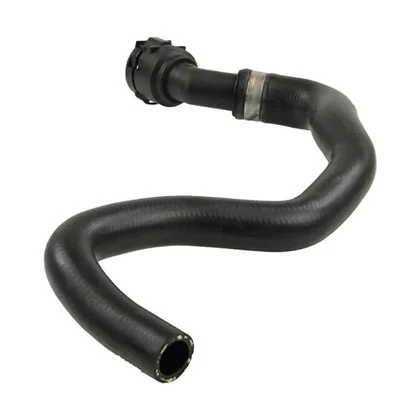
If you’re dealing with a damaged refrigerant hose and you’re not sure whether to repair it or replace it, or you’re ready to get a genuine OEM-style replacement, feel free to reach out to us to discuss your needs. We can help you identify the right hose for your system, answer any questions about repairs, and make sure you have the right parts to get your system working safely. Don’t take chances with a hose that’s under pressure and holds potentially harmful gas—get it right the first time.
Automotive Oil Cooler Hose References:
- U.S. Environmental Protection Agency. (2022). Section 608 Technician Requirements for Motor Vehicle Air Conditioning and Refrigeration Systems.
- Air-Conditioning, Heating, and Refrigeration Institute (AHRI). (2021). Standard for Flexible Refrigerant Hoses and Hose Assemblies for HVAC&R Equipment.
- Occupational Safety and Health Administration (OSHA). (2020). Process Safety Management of Highly Hazardous Chemicals.
Ningbo Haidu Auto Parts Co., Ltd.
As one of the most professional refrigerant hose manufacturers and suppliers in China, we’re featured by cheap products and good service. Please rest assured to buy durable refrigerant hose at competitive price from our factory. Also, OEM service is available.
Address:
E-mail: Sale6@sterlingautoparts.com
WebSite: https://www.cnsiliconehose.com/
