Hey there! I’m a supplier of wear-resistant parts, and I know firsthand how crucial it is to improve the wear-resistant performance of parts in high-frequency impact situations. In this blog, I’ll share some practical tips and insights based on my experience in the industry. Wear Resistant Parts
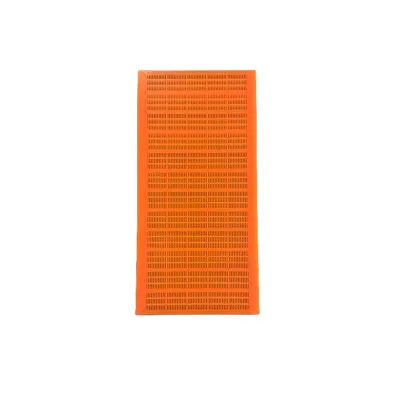
Understanding the Challenges in High-Frequency Impact Situations
First off, let’s talk about what makes high-frequency impact situations so tough on parts. In these scenarios, parts are subjected to repeated blows, vibrations, and stress cycles in a short period. This constant hammering can quickly wear down the material, leading to cracks, deformations, and ultimately, failure of the part.
Take for example the parts used in a mining crusher. The hammers in these machines are constantly hitting large rocks, causing high-frequency impacts. Over time, the surfaces of the hammers can wear out, and the efficiency of the crusher decreases. Similarly, in the automotive industry, engine components like pistons and valves experience high-frequency impacts due to the rapid combustion process. If these parts aren’t wear-resistant enough, they can break down, resulting in costly repairs and downtime.
Choosing the Right Materials
One of the most important steps in improving wear resistance is selecting the right materials. Hardened steels are a popular choice for many high-frequency impact applications. They have high strength and hardness, which can withstand the repeated impacts without deforming easily. For instance, chrome alloy steel is known for its excellent wear resistance and toughness. It’s often used in manufacturing tools and machinery parts that face high-stress situations.
Another option is ceramics. Ceramics offer extremely high hardness and wear resistance. They can resist abrasion and corrosion much better than metals in some cases. However, ceramics are brittle, so they might not be suitable for applications where there’s a high risk of sudden impact fractures.
Composite materials are also gaining popularity. These materials combine the best properties of different substances. For example, a composite made of a metal matrix reinforced with ceramic particles can have both high strength and good wear resistance.
Heat Treatment and Surface Modification
Heat treatment is a powerful tool to enhance the wear resistance of parts. Processes like quenching and tempering can change the microstructure of the material, making it harder and more wear-resistant. By heating the part to a specific temperature and then rapidly cooling it, you can increase its hardness. After that, tempering is done to reduce the brittleness that might have been introduced during quenching.
Surface modification techniques can also work wonders. Coating the part with a hard, wear-resistant material such as tungsten carbide can create a protective layer. This layer acts as a shield between the part and the abrasive forces during high-frequency impacts. Shot peening is another surface treatment method. It involves bombarding the surface of the part with small metal shots. This creates compressive stresses on the surface, which can improve fatigue resistance and reduce the likelihood of cracks forming.
Design Optimization
The design of the part itself can greatly affect its wear resistance in high-frequency impact situations. A well-designed part can distribute the impact forces more evenly, reducing the stress concentration in certain areas. For example, rounded edges and smooth transitions can help to avoid sharp corners where stress can accumulate.
Also, consider the shape and size of the part. A part that’s too thin or has a complex shape might be more prone to damage under high-frequency impacts. Simplifying the design and ensuring proper thickness and stiffness can improve its durability.
Lubrication and Maintenance
Lubrication plays a vital role in reducing wear. A good lubricant can form a thin film between the contacting surfaces, which reduces friction and wear. In high-frequency impact situations, the lubricant also helps to dissipate the heat generated by the impacts. For example, in a gearbox, a high-quality lubricating oil can extend the life of the gears by preventing direct metal-to-metal contact.
Regular maintenance is equally important. Inspecting the parts regularly can help you detect early signs of wear and damage. You can then take timely measures like replacing worn-out parts or adjusting the equipment to prevent further deterioration.
Testing and Quality Control
Before delivering the wear-resistant parts to customers, it’s essential to conduct thorough testing. Impact testing can simulate high-frequency impact situations to evaluate the part’s performance. By measuring the amount of wear and damage after a certain number of impacts, you can ensure that the part meets the required standards.
Quality control throughout the manufacturing process is also crucial. This includes monitoring the material properties, heat treatment processes, and surface finish. By maintaining strict quality control, you can produce consistent, high-quality wear-resistant parts.
Why You Should Choose Our Wear-Resistant Parts
As a wear-resistant parts supplier, we’ve put all these principles into practice. We have a team of experienced engineers who are experts in material selection, heat treatment, and design optimization. We use the latest manufacturing technologies and testing equipment to ensure that our parts offer the best wear resistance in high-frequency impact situations.
Our parts have been used in a wide range of industries, from mining to automotive, and have received positive feedback from our customers. We understand that every application is unique, and we can work closely with you to develop custom solutions that meet your specific requirements.
Polyurethane Screen Panel If you’re looking for reliable wear-resistant parts for high-frequency impact situations, don’t hesitate to reach out to us. Whether you need parts for new equipment or replacements for existing ones, we’re here to help. Contact us for a consultation and let’s discuss how we can improve the performance of your parts.
References
- Smith, J. (2020). Wear Resistance in High-Stress Applications. Journal of Materials Science.
- Johnson, M. (2019). Advanced Materials for Impact Resistance. Automotive Engineering Magazine.
- Brown, L. (2018). Heat Treatment and Wear Resistance. Manufacturing Technology Journal.
Yangzhou Yaye Wire Mesh Manufacturing Co., Ltd.
As one of the most professional wear resistant parts manufacturers in China, we have world-leading production equipment and strong manufacturing capabilities. Please feel free to wholesale cheap wear resistant parts in stock here from our factory. Also, free sample is available.
Address: No. 1 Jiangjia Road, High-tech Industrial Park, Jiangdu District, Yangzhou City, Jiangsu Province
E-mail: 13952515577@163.com
WebSite: https://www.yayescreen.com/
