In the era of rapid technological advancements, energy management has become a crucial aspect of both residential and commercial settings. As a socket supplier deeply involved in this field, I’ve witnessed firsthand the transformative power of sockets in energy management systems. In this blog, I’ll share insights on how sockets can be effectively used in energy management systems, drawing from my years of experience in the industry. Socket

Understanding the Basics of Sockets in Energy Management
Sockets, often overlooked as simple electrical connectors, play a fundamental role in energy management systems. They serve as the interface between electrical devices and the power grid, making them a key point for monitoring and controlling energy consumption. Modern sockets are equipped with advanced features that enable real – time monitoring of energy usage, remote control, and even integration with smart home or building management systems.
One of the primary functions of sockets in energy management is to measure the electrical energy consumed by connected devices. This is achieved through built – in sensors that can detect parameters such as voltage, current, and power. By collecting and analyzing this data, users can gain a clear understanding of how much energy each device is using and identify energy – intensive appliances. For example, a high – power air conditioner or a large refrigerator may consume a significant amount of electricity. By monitoring their energy usage through smart sockets, users can make informed decisions about when to use these devices or consider upgrading to more energy – efficient models.
Real – Time Monitoring and Data Analytics
Real – time monitoring is a game – changer in energy management. With the help of smart sockets, users can access detailed energy consumption data at any time, either through a mobile app or a web – based dashboard. This data can be presented in various formats, such as graphs and charts, which make it easy to visualize energy usage patterns over time.
For instance, a business owner can use smart sockets to monitor the energy consumption of office equipment, such as computers, printers, and lighting. By analyzing the data, they may discover that a particular department’s energy usage is significantly higher than others. This could prompt an investigation into inefficient equipment or abnormal usage habits. They could then take steps to optimize energy consumption, such as turning off unused equipment during breaks or upgrading to energy – star rated devices.
Data analytics also allows for the identification of trends and anomalies in energy consumption. For example, a sudden spike in energy usage could indicate a malfunctioning device or a security breach. By setting up alerts on the energy management system, users can be notified immediately when such events occur, enabling them to take prompt action to prevent energy waste or potential damage.
Remote Control and Automation
Another key feature of smart sockets in energy management systems is remote control. Through a mobile app or a centralized control system, users can turn devices on or off from anywhere, at any time. This is especially useful for managing energy consumption in larger facilities or when users are away from home.
In a commercial building, managers can use remote – controlled sockets to ensure that all non – essential equipment is turned off at night or during weekends. This helps to reduce unnecessary energy consumption and lower electricity bills. In a residential setting, homeowners can control their home appliances remotely, for example, turning on the water heater on their way back from work so that hot water is ready when they arrive, without having the heater running all day.
Automation is closely related to remote control. Smart sockets can be programmed to follow a specific schedule or respond to certain conditions. For example, sockets can be set to turn off lights automatically when a room is unoccupied, based on the input from occupancy sensors. They can also be configured to adjust the power output of devices according to the time of day or the electricity tariff. During peak hours when electricity is more expensive, the sockets can limit the power supply to non – essential devices, reducing overall energy costs.
Integration with Other Energy Management Technologies
Sockets can be integrated with other energy management technologies to create a more comprehensive and efficient system. For example, they can be connected to solar panels and battery storage systems. Smart sockets can monitor the energy generated by solar panels and distribute the surplus energy to the connected devices or store it in the batteries. This helps to maximize the use of renewable energy and reduce reliance on the grid.
In addition, sockets can be integrated with building management systems (BMS). In large commercial buildings, the BMS is responsible for controlling various aspects of the building’s operation, such as heating, ventilation, and air – conditioning (HVAC) systems. By integrating smart sockets with the BMS, the energy consumption of all electrical devices in the building can be coordinated and optimized. For example, the BMS can adjust the power supply to different areas of the building based on the occupancy and the environmental conditions detected by sensors.
Implementation Considerations
When implementing sockets in an energy management system, there are several factors to consider. First, compatibility is crucial. The smart sockets should be compatible with the existing electrical infrastructure and the devices to be connected. It’s also important to ensure that the sockets are compatible with the energy management software or platform being used.
Second, security is a major concern. As smart sockets are connected to the internet, they are vulnerable to cyber – attacks. It’s essential to choose sockets with strong security features, such as encryption, authentication, and regular software updates, to protect the system from unauthorized access and data breaches.
Third, user – friendliness is important for the successful adoption of smart sockets. The installation process should be simple, and the user interface of the control app or dashboard should be intuitive and easy to use. This ensures that users can take full advantage of the features offered by the smart sockets without facing too many technical difficulties.
Conclusion
Sockets are a powerful tool in energy management systems. With their ability to monitor energy consumption in real – time, provide remote control and automation, and integrate with other energy management technologies, they offer a comprehensive solution for reducing energy waste, lowering costs, and promoting sustainable energy use.
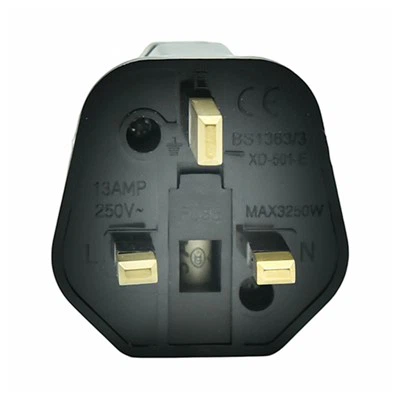
As a socket supplier, I’m committed to providing high – quality smart sockets that meet the diverse needs of our customers. Whether you are a homeowner looking to manage your energy consumption more effectively or a business owner aiming to optimize the energy usage of your facilities, our sockets can be an excellent choice.
Travel Adapters If you are interested in learning more about how our sockets can be integrated into your energy management system or if you are considering a purchase, I encourage you to reach out to us. We have a team of experts who can provide you with detailed information and guidance on the best solutions for your specific requirements. Let’s work together to create a more energy – efficient future.
References
- "Energy Management Handbook" by Wayne C. Turner
- "Smart Grid: Fundamentals of Design and Analysis" by Ali Keyhani
- Industry reports on smart home and building energy management systems
Foshan Haosheng Technology Co., Ltd.
As one of the leading socket manufacturers and suppliers in China, we warmly welcome you to buy advanced socket made in China here and get pricelist from our factory. All customized products are with high quality and competitive price.
Address: No.4, Jinsha Liansha Shangliang Development Zone Avenue, Danzao Town, Nanhai District, Foshan City, Guangdong Province, China
E-mail: 13925140140@163.com
WebSite: https://www.hssocket.com/
