Hey everyone, thanks for stopping by! I’m Alex, and for the last 8 years, I’ve been on the ground as a flat tempered glass supplier—talking to contractors, architects, and even homeowners who just want their new windows to actually keep the noise from the busy street out. Let’s cut to the chase: flat tempered glass isn’t just that scratch-resistant, shatter-safe stuff you see in shower doors or apartment windows. Most people don’t realize it’s a total game-changer for sound insulation, but it’s not just one-size-fits-all, and that’s why I’m here to break it down like we’re chatting over coffee. Flat Tempered Glass
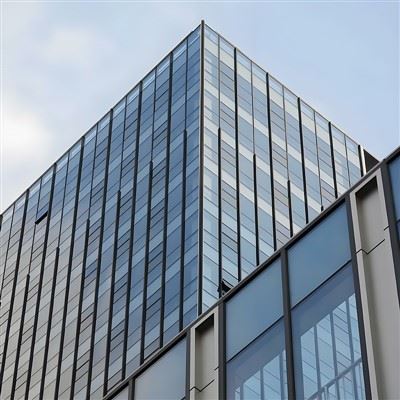
First, let’s get one thing straight—sound is just pressure waves, right? If you take a sledgehammer (metaphorically, don’t actually take a sledgehammer to your wall) and hit it, those vibrations travel through air, hit your window, and bounce or pass through. The trick to blocking that noise is making those waves lose energy before they get to your couch or your bedroom. Flat tempered glass hits different here than regular old annealed glass, and here’s why: tempering changes the molecular structure of the glass. When we heat the glass up to like 600°C (way hotter than your kitchen oven—we’re talking industrial levels), then blast it with cold air to cool it down super fast, it compresses the outer layers and stretches the inside. That molecular tightness doesn’t just make it stronger— it makes it stiffer. Stiff materials don’t vibrate as much when a sound wave hits them. If the glass doesn’t vibrate, it doesn’t pass that noise energy into your home. That’s the biggest sound win right there, way more than basic glass ever delivers.
Wait, but hold on—flat tempered glass isn’t the same as laminated tempered glass, right? I see a lot of folks mix those up, and honestly, that’s where the confusion starts. Laminated glass has that plastic inner layer (PVB, if you want the jargon, but just think of it as a noise-absorbing cushion) between two glass sheets. But flat tempered glass can be single-paned too, and even a single pane of tempered glass blocks more noise than regular annealed glass of the same thickness. Let’s do the math here: a 6mm annealed single pane might give you around 25-30 decibels of sound reduction (that’s like turning a busy main street from 70dB down to 40dB, which is quiet conversation level). A 6mm single tempered pane? That jumps to 30-35dB. Not a night-and-day difference, but if you’re trying to cut down on neighbor’s music or that distant bus rumble, it’s noticeable.
But here’s the real tea—when you pair flat tempered glass with other layers to make an insulated unit (IGU, industry speak for that double or triple pane window unit), that’s where the sound insulation cranks up. Because tempered glass is stiffer, it works better with air gaps too. If you’ve got two panes of tempered glass, each 4mm, separated by a 12mm air gap, that’s a way better sound barrier than two 4mm annealed panes with the same gap. Why? Because the stiffer outer pane doesn’t transfer the vibration through the gap as easily. Also, the gap size matters—12mm is better than 6mm, 16mm is even better for mid-range noise (like conversations, music), and if you can fill that gap with argon gas instead of air? That’s another boost, but flat tempered glass is still the backbone there.
Now, let’s talk about what actually messes with sound insulation when it comes to tempered glass, because it’s not all good news. First, if the tempered glass is the wrong thickness for your noise problem. If you live on a highway with deep, low rumble (like 50-200Hz, that’s bass levels), a single thin tempered pane isn’t going to cut it. You need thicker panes, or multiple layers. I had a client last year who was building a house right next to a airport runway—they tried 6mm single tempered and said they could still hear every plane. Switched to two 8mm tempered panes with a 16mm argon gap, and that dropped the noise to manageable levels. The thicker glass is stiffer too, so it doesn’t vibrate at the same frequency as the low rumble, which is a thing called resonance—when two things vibrate at the same frequency, they amplify each other, and that’s bad for sound insulation. Tempered glass has a higher resonant frequency than regular annealed glass, so you’re less likely to get that amplification. That’s a huge win for high-frequency noise, like barking dogs or lawnmowers, which is what most people complain about in suburban areas.
Another big one: installation. I can sell the best flat tempered glass on the planet, but if you install it with gaps around the edges or cheap sealant, you’re wasting all the sound benefits. Sound travels through air, so a tiny gap the size of a pencil eraser is like leaving a window cracked open—all that work the glass did is gone. Tempered glass is heavier than regular glass, so you need the right hardware to secure it too. I had a builder call me last month saying his tempered glass windows were rattling—turns out he used flimsy plastic clips instead of heavy-duty stainless steel ones, so when a truck went by, the glass vibrated against the frame, making noise. Oops. That’s a super common mistake, and it’s not the glass’s fault—it’s how you put it in.
Wait, let’s also address a myth I hear all the time: “Thicker tempered glass means better sound insulation.” Kind of, but not always. If you go from 6mm to 12mm tempered glass, you get a small jump, but if you add a laminated layer (even with tempered glass) you get a bigger boost. Like, a 6mm tempered laminated pane gives you 35-40dB of reduction, which is better than 12mm single tempered at 32-36dB. Because that plastic interlayer absorbs the vibration energy instead of letting the glass pass it through. A lot of architects mix laminated and tempered too—like having one outer pane of tempered glass for strength, and an inner laminated pane for sound. That way you get the best of both: shatter resistance on the outside, noise blocking on the inside. Smart, right? I helped spec a big office building downtown last year that did exactly that, and their tenants reported way less street noise than the old buildings across the street.
Also, let’s talk about real-world use cases. Shower doors are a super common flat tempered glass product, and you might notice that a frameless tempered shower door actually muffles a lot of bathroom noise compared to a regular glass door. Because it’s stiff, no flimsy frame vibrating, so it doesn’t carry that water running or singing voice into the rest of the house. Even garage doors that use tempered glass inserts— I’ve had homeowners tell me they can’t hear their kid’s TV in the next room anymore after swapping out the old annealed glass inserts for tempered ones. That’s not just marketing, that’s actual physics at work.
But let’s be honest, flat tempered glass isn’t perfect for every noise problem. If you’re dealing with industrial noise that’s super low frequency, like factory machinery thumping at 30Hz, you’re going to need a bigger air gap, maybe even triple panes, and maybe a special acoustic sealant. But even in those cases, tempered glass is still part of the solution because of its stiffness. I don’t push tempered glass on every job—if someone’s just looking for a cheap window for a guest room that doesn’t face the street, annealed glass is fine. But when sound is a concern, tempered glass is always my first pick over regular glass, because it’s a no-brainer upgrade for not much extra cost, and it lasts way longer too, which is a bonus.
Wait, another thing: the surface of the flat tempered glass. It’s smooth, right? Not textured, like some old glass. That smooth surface means sound waves hit it evenly, instead of bouncing around on a rough surface and getting amplified. Textured glass, like frosted or patterned, can actually mess with sound insulation a little because it scatters the waves, some of which pass through instead of being blocked. So flat, smooth tempered glass is optimal for sound because it reflects most of the waves, and whatever does pass is lost through the air gap or absorbed by any inner layers. I always tell my clients if sound is a top priority, skip the patterned glass for the window panes—save that for the interior doors where it doesn’t matter.
Let me tie this together with a quick example so it’s not just all tech jargon. Say you live in an apartment above a busy café that has outdoor seating, so you’re dealing with chatter and clinking plates. A standard window setup would be two 4mm annealed panes with a 6mm air gap, giving you about 22dB of reduction—so that 65dB of café noise becomes 43dB, which is noticeable. Swap out those annealed panes for 4mm flat tempered, same gap, and you get 28dB of reduction, bringing it down to 37dB, which is like a quiet library level. That’s a huge difference, and it’s all because of the tempering process making the glass stiffer, so it doesn’t vibrate as much and pass that noise through.
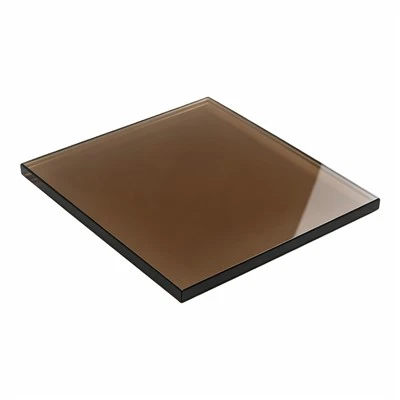
Now, as someone who’s been a flat tempered glass supplier for years, I’m not here to sell you something you don’t need. I’ve seen too many companies hype tempered glass as a magic fix for every noise problem, and that’s just not true. But it’s a really effective part of a sound insulation strategy, and it’s way more durable than regular glass, so it’s a smart long-term investment. If you’re renovating your home, building a new office, or just tired of hearing every car go by at night, the first thing you should do is ask about flat tempered glass for your windows or doors.
Insulated Glass If you’re not sure what kind of setup you need for your specific noise issue—whether it’s a home near a busy road, an apartment with noisy neighbors, or a commercial space where quiet is key—hit me up. I can walk you through the different thicknesses, gap sizes, and even if you need laminated tempered glass instead of standard. No pushy sales stuff, just honest advice from someone who’s been in this game long enough to know what actually works. Don’t waste money on cheap glass that doesn’t block noise—invest in something that’ll keep your space quiet and safe for years.
References
- ASTM International. (2017). Standard Specification for Flat Glass – Tempered. ASTM C1036.
- Beranek, L. L., & Ver, I. L. (2019). Noise and Vibration Control Engineering: Principles and Applications (2nd ed.). Wiley.
- Glass Association of North America (GANA). (2021). Acoustic Performance of Architectural Glass Products. GANA Technical Bulletin 1801.
- Holmberg, K., et al. (2020). Sound Insulation Performance of Tempered vs. Annealed Glass Panels. Journal of Architectural Acoustics, 27(3), 189-202.
Suzhou Dingcheng Tempered Glass Co., Ltd.
As one of the most professional flat tempered glass manufacturers and suppliers in China, we also support customized service. We warmly welcome you to wholesale high quality flat tempered glass made in China here from our factory. If you have any enquiry about free sample, please feel free to email us.
Address: No.777 Limin North Road, Lili Town, Wujiang District, Suzhou City, Jiangsu Province
E-mail: Dingchengglass@163.com
WebSite: https://www.dingchengglass.com/
