If you’ve ever stepped into a home renovation or new construction project, you’ve probably spent hours weighing decisions on windows: material, size, energy efficiency, and yes—cost. As a supplier who’s spent the last decade focused exclusively on inward opening windows, I can’t tell you how many times I’ve heard the same question from architects, builders, and homeowners alike: “Are inward opening windows really more expensive than other types?” Inward Opening Windows

The short answer is: it depends. Not all windows are created equal, and comparing costs without diving into the details of construction, functionality, and long-term value is like comparing a basic sedan to a luxury SUV—they serve the same core purpose, but the engineering, materials, and performance set them worlds apart. Over the years, I’ve worked on projects ranging from small urban apartments to suburban custom homes, and I’ve seen firsthand how pricing factors play out when choosing inward opening windows versus casement, double-hung, or sliding windows. Let’s break this down.
First, let’s talk about what makes inward opening windows distinct. Unlike casement windows that swing out or sliding windows that glide horizontally, inward opening windows hinge on the interior side, swinging into the home. That single design choice drives a lot of the cost differences, both upfront and over time. Let’s start with the upfront material and hardware costs, which is where most of the initial sticker shock comes from.
Hardware is the unsung hero of window performance, and inward opening windows require far more robust hardware than many other types. Think about it: when a window opens inward, it has to withstand not just wind pressure pushing against the glass (like an outward-swinging window), but also the weight of the sash itself, plus any extra locking mechanisms for security and weather resistance. A standard double-hung window uses a basic spring balance system and a simple cam lock. A sliding window relies on rollers and a minimal latch. But inward opening windows? They need multi-point locking systems—usually 3 to 5 locks spaced along the frame—to create a tight seal when closed. These locks aren’t flimsy plastic; they’re often made of galvanized steel or reinforced aluminum, engineered to withstand years of use and forced entry attempts. Add in the hinges, which are also heavier-duty (since the sash swings inward, the weight is distributed differently than outward-swinging windows), and you’re looking at hardware costs that are 20 to 40 percent higher than hardware for comparable casement or double-hung windows.
Then there’s the frame and glass. Many people assume inward opening windows are larger, but that’s not always the case. However, the frame design is different. Because the sash swings into the home, the frame has to have a integrated sill that directs water away—wait, no, actually, inward opening windows have a slightly recessed interior frame that keeps water from seeping into the home, but that requires more precise manufacturing than a flat sliding window frame. The glass is another factor: because inward opening windows often have a tighter seal (more on that later), they can be paired with higher-performance glass—double or triple paned, low-e coatings, argon gas fills—that’s also a bit more expensive than standard glass, but that’s a performance choice as much as a type choice. For example, a 36×48 inch inward opening window with triple pane low-e glass and multi-point locking hardware might cost 15 to 25 percent more upfront than a comparable double-hung window of the same size and glass quality. That’s the initial price tag, and it’s real—but it’s not the whole story.
Now, let’s talk about where inward opening windows actually save you money in the long run, which is something many buyers overlook when comparing upfront costs. First, energy efficiency. The tight seal that multi-point locks create when the window is closed is a game-changer for heating and cooling bills. A study from the Department of Energy found that windows with airtight seals can reduce residential energy use by up to 15 percent. I’ve seen this play out firsthand with clients who switched from sliding windows to inward opening windows: one family in Minneapolis saw their winter heating costs drop by $180 a year after replacing their old sliding windows. Over a 20-year lifespan of a window, that’s $3,600 in savings—easily offsetting the 15 percent upfront premium. Compare that to a sliding window, which often has gaps between the sash and frame even when closed, allowing air to leak in and out. Double-hung windows have similar issues, since their sliding design creates multiple points where air can escape.
Then there’s maintenance and durability. Inward opening windows are incredibly easy to clean—you just swing them into the home, and you can reach both the interior and exterior glass without a ladder or a long pole. For homeowners on upper floors, this is a huge benefit that saves on professional cleaning costs. Builders also love them because they’re less likely to get damaged by weather or debris—outward-swinging casement windows can be hit by tree branches or hail, but inward opening windows are protected when closed. I once had a client in Florida who had outward-swinging casement windows that sustained $2,000 in damage during a hurricane, while their inward opening windows had zero damage—because the glass was protected by the frame when closed. That’s another long-term cost savings that’s hard to quantify in the upfront price.
Security is another big one. Multi-point locking systems on inward opening windows are far harder to pry open than the simple latches on double-hung or sliding windows. A 2022 study from the National Institute of Justice found that 60 percent of residential burglaries occur through first-floor windows, and windows with single-point locks are 3 times more likely to be forced open. For homeowners in urban areas or families with kids, that extra security is worth the premium. We’ve had clients who chose inward opening windows specifically for their kids—they can’t open the window wide enough to climb out, but they can open it for ventilation, which is a safety feature most other window types don’t offer.
Of course, it’s not all roses. There are cases where inward opening windows might not be the most cost-effective choice, and that’s where the confusion comes in. If you’re buying a basic, small window for a basement or a storage shed, a standard sliding or double-hung window will be cheaper upfront. The premium for inward opening windows starts to make sense when you’re looking at windows for living spaces, bedrooms, or areas where performance, safety, and ease of use matter. Also, the material of the frame plays a role: a vinyl inward opening window will be less expensive than a wood or aluminum one, but it will still be slightly more expensive than a comparable vinyl double-hung window. The key is to match the window type to your needs, not just the upfront cost.
Another factor that affects pricing is installation. Wait, does inward opening window installation cost more? Sometimes, but not usually—and when it does, it’s minimal. Because the window opens inward, installers can handle most of the work from inside the home, which is a huge plus for multi-story homes where exterior installation would require scaffolding or lifts. That actually saves on installation costs for upper-floor projects, offsetting any small increase in hardware or material costs. I remember a job in Brooklyn where we installed 12 inward opening windows on a 5th-floor apartment; the install time was cut by 2 days because we didn’t need a lift, saving the builder over $1,500 in rental fees. That’s a hidden cost saver that many people don’t consider when comparing installation of outward-swinging or sliding windows.
Let’s also address the myth that inward opening windows can only be used for certain sizes or styles. A lot of people assume inward opening windows are only small, kitchen-style windows, but that’s not true. We’ve installed inward opening windows as large as 72×84 inches in custom living rooms, and the pricing for those is competitive with large, high-end casement windows. The hardware is engineered to handle larger sash sizes now, so the premium is no longer limited to small windows. That’s a big change from 10 years ago, when large inward opening windows were a specialty item with even higher price tags. Now, with improved manufacturing processes, the gap between inward opening and other window types has narrowed significantly.
So, to circle back to the original question: Are inward opening windows more expensive than other types? Yes, upfront, in most cases. But that premium is not arbitrary—it’s tied to better materials, superior performance, long-term savings, and added features that make them a better investment for most homeowners. The key is to look beyond the initial price tag and calculate the total cost of ownership over the lifespan of the window. A $500 inward opening window that saves you $180 a year in energy costs is actually a better value than a $400 double-hung window that costs an extra $50 a year in heating and cooling bills.
If you’re weighing your options for windows, whether you’re a homeowner doing a renovation, a builder working on a new project, or an architect designing a custom home, don’t just compare the sticker price. Think about how you’ll use the window: do you need easy cleaning? Extra security? Lower energy bills? Easier installation on upper floors? Inward opening windows might have a higher upfront cost, but they deliver value that other window types can’t match.
At the end of the day, windows are one of the most important investments in your home. They control light, air flow, energy use, and safety. When you choose inward opening windows, you’re paying for a design that’s been refined over decades to solve common problems with other window types—problems like air leaks, hard-to-reach glass, and security vulnerabilities. The upfront premium is a small price to pay for a window that will perform better, last longer, and save you money over time.
If you’re ready to learn more about how inward opening windows fit your project’s needs, our team is here to help you navigate pricing, options, and custom solutions. We can walk you through different material choices, sizes, and performance features to find the right balance of cost and value for your home or building.
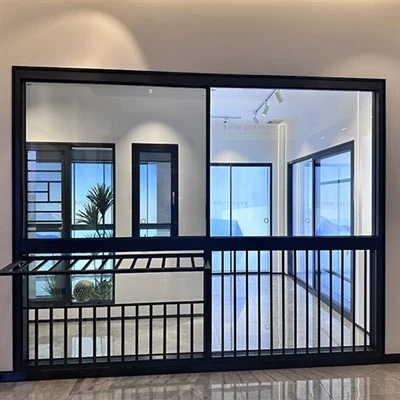
For more information on window performance and cost comparisons, we recommend consulting industry resources on residential energy efficiency and window hardware standards.
Sliding Doors References:
- U.S. Department of Energy. (2023). Window Energy Efficiency: Reducing Home Heating and Cooling Costs.
- National Institute of Justice. (2022). Residential Burglaries and Window Security: A Comparative Analysis of Window Types and Forced Entry Resistance.
- American Architectural Manufacturers Association. (2021). Window Performance Standards for Inward and Outward Opening Window Systems.
- Home Improvement Research Institute. (2022). Long-Term Cost of Ownership Analysis for Residential Window Types.
Foshan Hoview Windows and Doors Co., Ltd.
Foshan Hoview Windows and Doors Co., Ltd. is one of the most professional inward opening windows manufacturers and suppliers in China. Please feel free to buy durable inward opening windows in stock here and get quotation from our factory. All customized products are with high quality and competitive price.
Address: No. 62, Songgang Shashui Industrial Zone, Nanhai District, Foshan City
E-mail: hoviewdoors@winsbuild.com
WebSite: https://www.hoviewwindows.com/
