Hey everyone, I’m Jake from the AC contactor supply team—you know, the person who’s been getting a ton of DMs lately about why some contactors die out in weird environments, like sweltering factory floors or cold outdoor setups. Today we’re breaking down something I get asked nonstop: what actually is the environmental adaptability of an AC contactor? Spoiler, it’s not just “works” or “doesn’t work”—it’s way more nuanced than that, and as someone who’s shipped these things to 100+ different industries, I’ve seen the good, the bad, and the really ugly when it comes to environmental flubs. AC Contactor

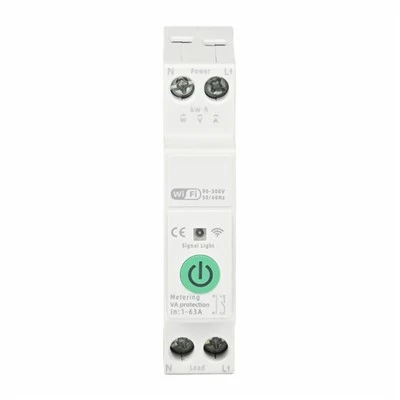
First off, let’s keep this real—AC contactors are basically the workhorses of electrical systems, right? They’re the big switch that turns motors, lights, and machinery on and off, so if their environment’s garbage, your whole line goes down. A lot of new buyers just look at voltage ratings—like “this contactor does 240V AC, great!”—but they forget the environment is the quietest (and most brutal) variable. Let’s start with the big one that trips everyone up: temperature extremes. I had a client last year in a food processing plant in Arizona—they were running contactors near their baking ovens, where the ambient temp hit 125°F (around 52°C) every shift. The first batch they bought died in 3 months, because those cheap contactors their old supplier sold couldn’t handle sustained high heat. Here’s the thing: AC contactors have internal parts—coils, contacts, the plastic housing (usually thermoset or thermoplastic)—that have temperature limits. The coil’s insulation breaks down if it’s too hot, which makes it short out, and the contact tips (the metal bits that touch to pass power) can oxidize faster in high temps, leading to increased resistance and overheating themselves. On the flip side, cold weather? I’ve shipped contactors to a mining operation in Alaska where winter temps drop to -40°F (-40°C). The same cheap unit that died in Arizona actually works fine up there… wait, no—wait, actually, some cheap plastic housings get brittle in extreme cold, so they crack when the contactor’s pulling in and out. The adaptability here isn’t just surviving the temp—it’s maintaining functionality. A good contactor will have a temperature operating range rated for -40°C to 85°C, which covers almost every industrial and commercial space, and we test every unit before shipping to make sure the coil and contacts hold up at both ends. Humidity and moisture are another big one, and I can’t tell you how many times a client has called panicking because their contactor got rained on outside. Let’s break this down: humidity isn’t just “wet”—it’s relative humidity (RH) over time, and if a contactor’s IP rating (Ingress Protection) is off, moisture gets inside and causes corrosion on the contact wires or the coil terminals. For indoor spaces like basements or laundry facilities, an IP20 rating is fine—it stops finger touches but not water. But if you’re putting a contactor outdoors, near a pool, or in a coastal area (salt air is extra brutal), you need IP65 or higher—those are sealed tight enough to keep out dust and low-pressure water jets. I once had a coastal construction company that tried using our IP20 contactors for their site lighting control, and after a month of salt spray, the terminals had white corrosion so bad they couldn’t pass current. Now we pre-wrap their units in anti-corrosion tape before shipping, and add a corrosion-resistant coating to the terminals—little trick that makes a huge difference. Also, humidity can lead to condensation, right? If a contactor’s in a space that swings wildly from hot to cold (like unheated warehouses), moisture can form inside, even if it’s “dry” most of the time. That’s why good contactors might have a breather valve that lets air equalize pressure but keeps water out, or the coil is potted in epoxy to seal it off completely. Dust and dirt—yes, that’s environmental adaptability too. I work with a lot of woodworking shops, where sawdust is everywhere, and cement plants, where fine silica dust gets into every crack. That dust can get between the contact tips, causing arcing when the contactor turns on, which eats away at the metal and eventually makes the contactor fail. For these environments, high IP ratings (IP65+) are a must, but also contactors with larger contact gaps, so dust doesn’t bridge the gap between open and closed. We even have a line of contactors specifically for sawmills that have a double-sealed contact chamber—we tested them for 6 months in a shop that ran 24/7, and not a single unit had dust-related issues. Altitude is something most people don’t even think about until it bites them. I had a client in Denver, which is a mile above sea level, and they kept having contactors arcing when they turned on high-power motors. Why? At higher altitudes, the air is thinner, so the dielectric strength (how well air insulates) is lower. That means electricity can arc across the contacts easier than at sea level. Contactors rated for low altitudes (like up to 2000 meters) will arc too much above that, leading to contact damage. We now make all our heavy-duty contactors rated for up to 5000 meters, which covers any mountain top or high-altitude factory, just by slightly adjusting the contact gap to compensate for thinner air. Wait, what about vibrations? Oh man, that’s another one I learned the hard way. I shipped a batch of contactors to a trucking company’s maintenance yard, and they called saying half the contactors had their terminals snapped off after a week of running next to semi-truck lifts. Vibrations loosen screws and can fatigue metal parts, especially the electrical terminals that are crimped on. So our adaptability testing includes vibration testing at 10g, which is more than enough for truck yards, construction sites, or any space with heavy machinery, and we lock the terminals in with a special strain relief so they don’t work loose. Also, there’s the lesser-talked-about environmental factor: chemical exposure. If a contactor’s near cleaning chemicals, paint fumes, or industrial solvents, those fumes can eat away at the plastic housing or corrode the contacts. We make contactors with flame-resistant, chemical-resistant thermoplastic housings for these spaces—tested to resist common cleaners like ammonia and acetone, so they don’t crack or degrade over time. Here’s the thing that new clients don’t get: environmental adaptability isn’t a one-size-fits-all box you check on a spec sheet. It’s a combination of all these factors working together, and if you pick a contactor that’s only rated for “normal” indoor use, it’s gonna fail in any weird environment. Let’s do a quick example: if you’re putting a contactor in a restaurant’s walk-in freezer, you don’t just need a cold temp rating—you need it sealed tight against condensation from the warm air when the door opens, and vibration-resistant because the freezer door slams all day. A regular contactor will fail there in a month, but our custom-tested units for commercial kitchens last for years. I’m not gonna lie, as a supplier, I’ve seen brands that cut corners on environmental adaptability to save a buck. They’ll put an IP20 rating on a contactor and call it “weatherproof,” but it’ll die in a light rain. They’ll use cheap plastic that cracks in cold weather. That’s why when a client reaches out, I don’t just ask “what voltage do you need?”—I ask where the contactor’s going, what the temp is like, if there’s dust or water, if there’s vibration. Because that’s how I point them to the right unit, not just sell them whatever’s in stock. Now, let’s talk about why this matters for you—the person buying these contactors. If your contactor fails, your entire process stops. A food plant can’t bake bread if the oven’s control contactor is dead. A construction site can’t lift beams if the crane’s contactor craps out. You don’t want to be the person troubleshooting a contactor at 2 a.m. because you bought a cheap unit that couldn’t handle your environment. So, if you’re working in an environment that’s not “ideal” (and let’s be real, almost no industrial or commercial space is), don’t guess—reach out, tell me about your setup, and I’ll hook you up with a contactor that’s actually built for your conditions. I’ve got samples I can send, I can share our test data, and I’ll make sure you get something that lasts, not something that dies after 3 months. At the end of the day, environmental adaptability for an AC contactor is all about reliability. It’s not just about passing a test—it’s about showing up when you need it, even when the environment’s working against it. I’ve been in this business for 8 years, and the best compliment I get is when a client emails me saying their contactor’s been running for 3 years no issues, even in that tough factory floor. That’s the stuff we care about here. If you’ve got questions about what contactor you need for your specific environment, or you’re ready to place an order, just reach out. I’m here to help, no sales fluff, just straight talk about what works.
Lightning Protection References:
- National Electrical Manufacturers Association (NEMA) Standards for AC Contactors, 2022
- International Electrotechnical Commission (IEC) 60947-4-1: Low-voltage switchgear and controlgear – Contactors and motor starters, 2020
- Underwriters Laboratories (UL) 508: Industrial Control Equipment, 2021
Zhejiang Leidun Electric Co., Ltd.
As one of the most experienced ac contactor manufacturers and suppliers in China, we also support customized service and OEM service. Please feel free to wholesale high quality ac contactor made in China here from our factory. Thank you for your interest in our products.
Address: No.337, Liule Road, Liushi Town, Yueqing City, Wenzhou City, Zhejiang Province, China
E-mail: Sales@zgleidun.com
WebSite: https://www.leidunelectric.com/
