Yo, what’s up! I’m a supplier of sublimation patches, and today I wanna have an open and honest chat about the disadvantages of sublimation patches. Yeah, I know it might seem a bit counter – intuitive for a supplier to talk about the downsides, but I believe in being transparent with you all. Sublimation Patches
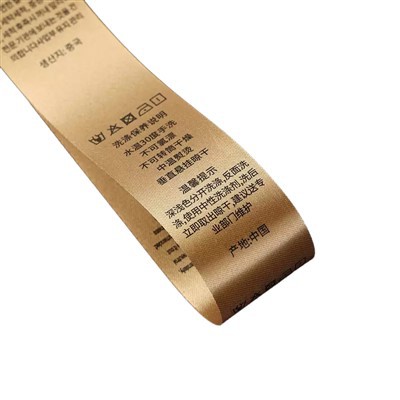
1. Limited Fabric Compatibility
One of the major drawbacks of sublimation patches is their limited fabric compatibility. Sublimation printing works by using heat to turn the ink into a gas, which then bonds with the fabric. This process only really works well with polyester or polyester – blend fabrics. Why? Well, polyester has a structure that can absorb and hold the sublimated ink effectively.
If you try to use sublimation on natural fabrics like cotton, the results are often disappointing. The ink doesn’t bond properly, and you end up with a patch that looks faded or has a washed – out appearance. For example, if you’re making a patch for a cotton – based uniform, sublimation might not be the best option. You’ll have to look for other printing methods like screen – printing or embroidery, which can work on a wider range of fabrics.
2. High Initial Setup Costs
Another disadvantage is the high initial setup costs. To start sublimation printing, you need some specialized equipment. You’ll need a sublimation printer, which can be pretty expensive. These printers are designed to handle the special sublimation inks, and they’re not your average home or office printers.
On top of that, you need a heat press. The heat press is crucial for the sublimation process as it applies the right amount of heat and pressure to transfer the ink from the paper to the fabric. Good quality heat presses can cost a fair amount of money. And let’s not forget about the sublimation inks and transfer papers. These are also more expensive compared to regular inks and papers used in other printing methods.
For small – scale businesses or individuals who just want to make a few patches, these upfront costs can be a real barrier. You might end up spending a lot of money just to get started, and if you don’t have a steady stream of orders, it can be hard to recoup your investment.
3. Color Limitations
Sublimation patches also have some color limitations. While sublimation can produce some really vibrant and detailed colors, it has a hard time with certain colors, especially white. Since the sublimation process involves bonding the ink to the fabric, it’s difficult to print white on a colored fabric.
For example, if you have a design that has a lot of white elements, like a white logo on a dark – colored background, sublimation might not be able to reproduce it accurately. The white areas might come out as a light gray or have a tint of the background color. This can be a real problem if your design relies heavily on white for its visual impact.
4. Durability Concerns
When it comes to durability, sublimation patches have their issues. Although the ink is bonded to the fabric, over time, with repeated washing and wear, the colors can start to fade. The heat and friction from washing machines can break down the bond between the ink and the fabric, causing the patch to lose its vibrancy.
Also, if the patch is exposed to a lot of sunlight, the UV rays can cause the colors to fade as well. This is a big deal if you’re making patches for outdoor use, like patches for hiking gear or sports uniforms. You want the patches to look good and last a long time, but sublimation might not be the most durable option in these situations.
5. Design Complexity and Size Constraints
Design complexity and size can also be a problem with sublimation patches. Sublimation printing works best with simple and well – defined designs. If your design is too complex, with a lot of fine details or small text, it can be difficult to reproduce accurately. The printer might not be able to pick up all the details, and the final patch might look blurry or pixelated.
In terms of size, there are also limitations. The size of the sublimation printer and the heat press determines the maximum size of the patch you can print. If you need a really large patch, you might run into problems. You might have to split the design into smaller parts and then piece them together, which can be time – consuming and might not look as good as a single, seamless patch.
6. Environmental Impact
Let’s talk about the environmental impact. Sublimation inks are often made from chemicals that can be harmful to the environment. These inks can release volatile organic compounds (VOCs) into the air during the printing process. VOCs can contribute to air pollution and have negative effects on human health.
Also, the transfer papers used in sublimation printing are usually not biodegradable. Once they’re used, they end up in landfills, adding to the waste problem. As more and more people are becoming environmentally conscious, this can be a significant drawback for sublimation patches.
Is Sublimation Patches Still Worth It?
Despite all these disadvantages, sublimation patches still have their place in the market. They can produce some really amazing, high – quality, and detailed designs on the right fabrics. If you’re working with polyester – based materials and have a simple design, sublimation can be a great option.
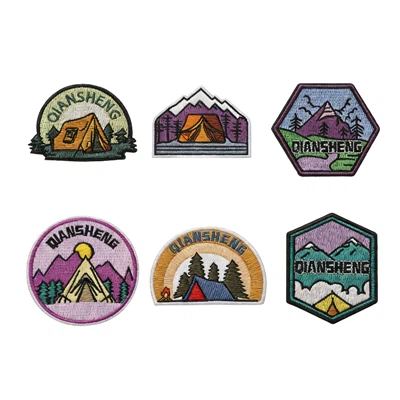
As a supplier, I understand that every project is different. That’s why I’m here to help you make the right decision. If you’re considering using sublimation patches for your next project, I’d love to have a chat with you. We can discuss your specific needs, design requirements, and budget. Whether sublimation is the best choice or not, I can offer you alternative solutions that might work better for you.
Sequin Patches If you’re interested in learning more about sublimation patches or other types of patches we offer, feel free to reach out. We can have a detailed discussion about your project, and I can provide you with all the information you need to make an informed decision. Let’s work together to create the perfect patches for your needs.
References
- "The Basics of Sublimation Printing" – A guidebook on sublimation printing techniques and limitations.
- "Textile Printing: Processes and Technologies" – A comprehensive book that covers different textile printing methods, including sublimation.
- "Environmental Impact of Printing Inks" – A research paper on the environmental effects of various printing inks, including sublimation inks.
Kaishen Garment Accessory Co., Ltd.
As one of the most professional sublimation patches manufacturers and suppliers in China, we’re featured by quality products and low price. Please rest assured to wholesale bulk cheap sublimation patches from our factory. Contact us for customized service and free sample.
Address: No.1, Yangguang Road, Shanwu Village, Shijie Town, Dongguan City, Guangdong Province
E-mail: patch@shiujan.com
WebSite: https://www.kspatch.com/
